

Why Outside-In Pricing Fails Modern Retailers
Outside-in pricing has become one of the biggest mistakes in modern retail pricing strategy.
Once, during a business visit, I heard the following statement from a gas station owner: “Do you know how to make gasoline? Then you need to learn how to price it!” That phrase stood out for its simplicity and truth. Today, we know that not even manufacturers have full control over the unpredictable “market price.” What used to be a secret weapon for retailers, who relied on market instincts, personal judgment, and years of experience to set prices, now faces an active consumer with endless options, many of them right in the palm of their hand. We need talk about price strategy.
Today’s speed, convenience, comfort, and accessibility expose any kind of guesswork. But this article is about the worst pricing tool of all, and one that still seems to be widely used in retail by those who have not adapted to market changes: OUTSIDE-IN PRICING!
Any first-year business student, using any introductory textbook, can price a product with the following formula: cost of goods + variable and fixed expenses + taxes + profit margin. Any company that follows this calculation will succeed, right? WRONG!

Most fuel retailers, merchants, and business owners do not even use this model. They prefer the power of market instinct, the ego of proving they are business owners because they “know the business,” and they price according to competitors. Many believe that being labeled “too expensive” is the fastest way to disappear from the customer’s memory. So they adopt outside-in pricing and keep adjusting everything else internally, as if that were the solution. But how does this really work?
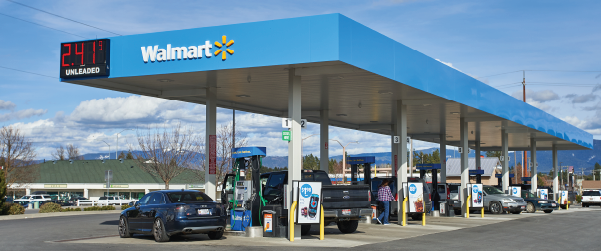
Let’s take the example of a gas station whose nearby competitor lowers the price by 10 cents per gallon. The retailer cannot let that stand, and instead of understanding the real impact of that price difference, immediately follows the competitor’s move, cutting margin. Let’s assume a gross margin of one dollar. With a 10-cent discount, 10% of gross margin is gone. That may be a lot or a little, depending on expenses and how much net margin that retailer expects.
But the competitor does not like the reaction and starts the familiar game: a price war. And so the gross margin keeps shrinking. The retailer has to reduce staff, cut complimentary coffee, switch to cheaper toilet paper, reduce restroom cleaning. By reversing the equation, the business begins adapting its service and operating standards to the price it chose just to keep up with the market.
It may sound unbelievable, but many price cuts happen exactly like this: the owner calls the manager and asks how traffic looks. The manager says: “It dropped. The station next door lowered prices and we are out of the game.” Without understanding weekly seasonality, without activating marketing to win back former customers, without researching anything, the verdict comes quickly: “Match the price!” And the ego is satisfied. “That guy cannot make money by stealing my customers.” It sounds absurd when written out, but what would you say if you discovered that most business owners behave this way?

The customer is dynamic, and pricing must be dynamic as well. The era of instinct-based pricing is over. That is why consumer-focused price management is essential if you want to understand the changes taking place. It also means training your sales team and updating their approach, moving beyond outdated scripts like: “Good morning, sir! Fill it up today?” We now have five generations buying side by side, with attention fixed on screens.
You need to understand SENSITIVE SERVICE. Train leadership teams so they can reshape how frontline staff interact with customers. People want to be noticed, they want attention, they want to be positively surprised, not ignored or treated like a number. Consumers want speed so they can get on with what matters to them. They do not want friction. They do not want rigid standard procedures. They want to be served on their terms, and only sensitive service can prepare your team for that reality.

Price is everything and nothing at the same time. If your only focus is price, your customer will belong to it. If your focus is the customer, then the customer will belong to you.
Want to learn more about customer-focused pricing strategy and sensitive service? I can help with that! Learn more about consumer behavior in retail here:
Roberto James is a specialist in consumer behavior and commercial management. Speaker, author, and researcher. With extensive experience in retail, wholesale, and distribution, he has helped companies understand changing consumer dynamics and prepare teams to adapt to today’s market.