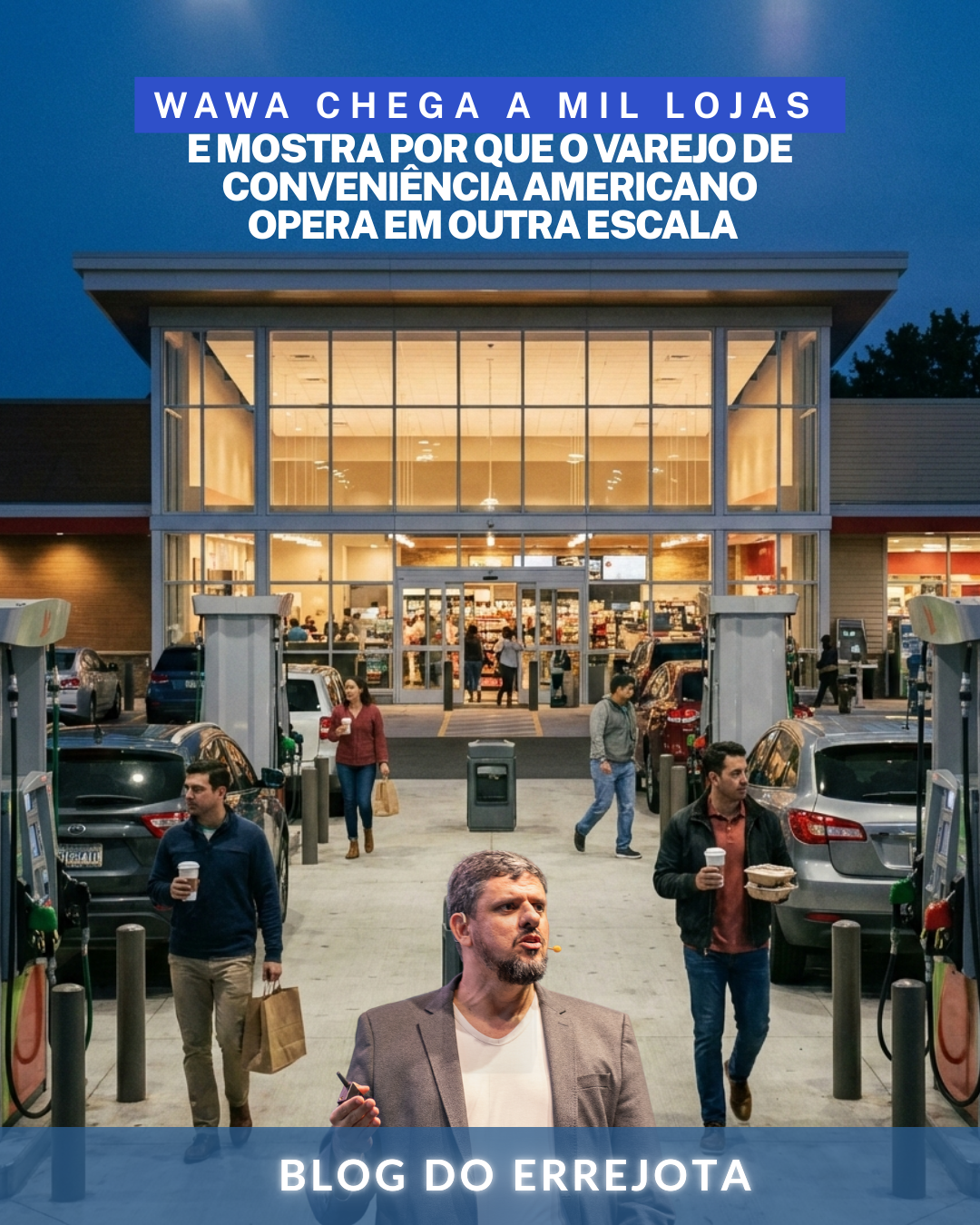


The opening of Wawa’s 1,000th fuel store is not merely a symbolic milestone. It reflects the scale, maturity, and level of professionalization achieved by the American convenience retail industry, while also pointing to a path that Brazil is only now beginning to follow more decisively. Larger networks, standardized operations, a strong focus on experience, and a clear understanding of scale as a competitive advantage define this new retail reality. This transformation, driven by what I call the “new retail,” often goes unnoticed even by experienced consultants and operators.
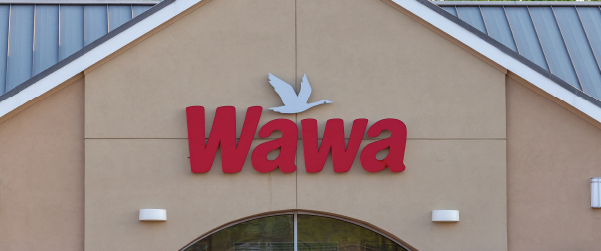
Earlier this month, Wawa opened its 1,000th fuel location in Springfield, Pennsylvania, as reported by NACS. The event went far beyond the simple opening of a new store. Sports mascots, community engagement, donations to social foundations, and promotional actions for early customers demonstrate how these networks view the fuel station not just as a place to refuel vehicles, but as a relationship hub within the community.
When we talk about Wawa, we are referring to a network with more than a thousand convenience stores across multiple U.S. states, operating with an exceptionally consistent standard in layout, product mix, technology, and service. This consistency became clear during all the technical visits conducted throughout the RJ Road Trip, where the customer experience showed minimal variation regardless of city or state. This is one of the greatest strengths of large American retail networks: scale combined with predictability. As I have previously noted, “the sense of standardization is more easily accepted by the human brain, creating a feeling of security that directly influences our willingness to consume” (Living the American Retail Experience, p. 38).
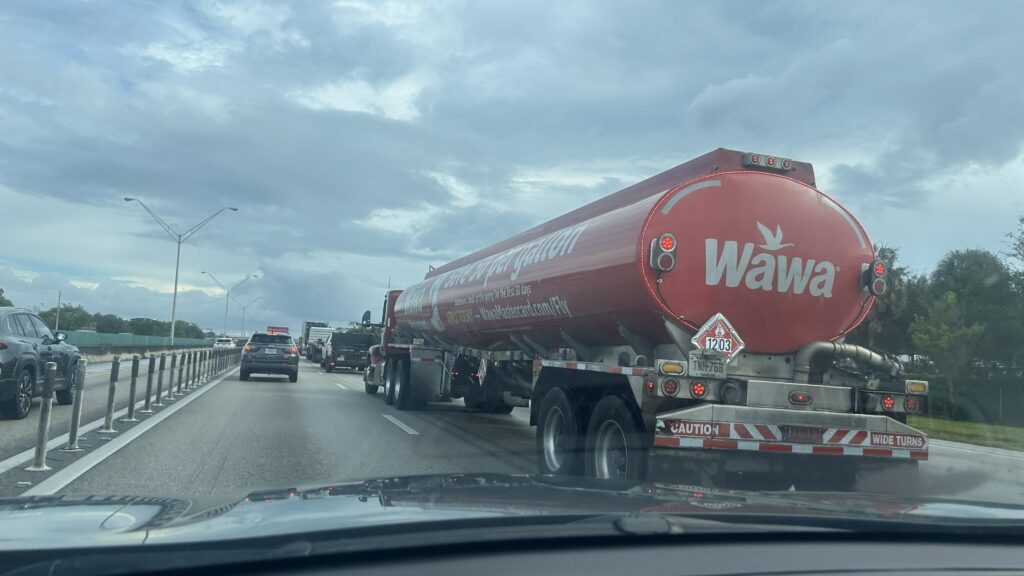
The NACS article also highlights the movements of other networks such as Yatco, Refuel, and Love’s. Yatco, for instance, opened its sixth new unit in 2025 in Massachusetts, offering a fully integrated operation that combines fuel, hot food, beverages, and well known brands such as Dunkin’. Refuel continues to expand its footprint in Texas, while Love’s invests heavily in remodeling projects, upgrading restrooms, stores, and services, and reinforcing its community oriented positioning through social initiatives.
These movements show that growth is not limited to opening new locations. There is continuous investment in retrofits, experience improvement, and business model updates. During technical visits organized by NACS and the RJ Road Trip, it became evident that networks such as Wawa, Love’s, QuikTrip, and others treat the store as a living organism, constantly adjusted to consumer behavior and evolving convenience demands. Not by coincidence, “removing bureaucratic barriers and friction in physical service means delivering what the consumer values most: their time” (Living the American Retail Experience, p. 42).
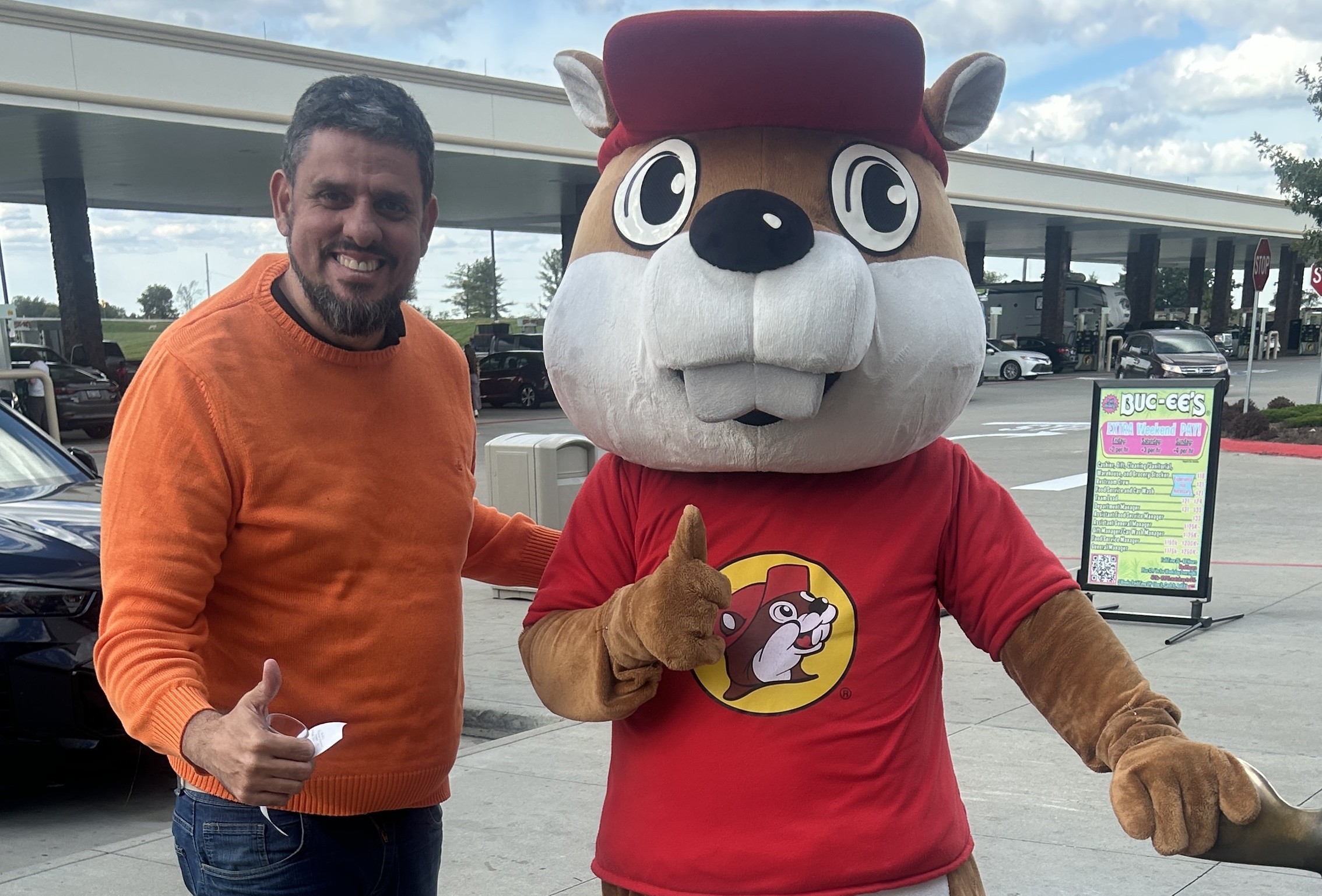
Throughout my books The Consumer Is in a Hurry and Living the American Retail Experience, this idea appears repeatedly. Consumers are not looking only for speed. They seek predictability, clarity, and cognitive comfort. Large networks are able to deliver this because they operate with more mature processes, embedded technology, continuous training, and a deeper understanding of consumer behavior both on the forecourt and inside the store. It is important to note that size alone is not mandatory. Some smaller Brazilian networks already demonstrate a level of maturity comparable to large international chains, although still in much smaller numbers.
When we look at Brazil, the comparison becomes inevitable. The Brazilian fuel retail market is gradually moving toward greater consolidation, with regional and national networks expanding their presence and reducing the extreme fragmentation that historically characterized the sector. This trend tends to professionalize the market, raise management standards, standardize operations, and make the customer experience more consistent. As I have previously warned, “entering this new retail environment is not an option, it is the only path forward” (The Consumer Is in a Hurry, p. 19).
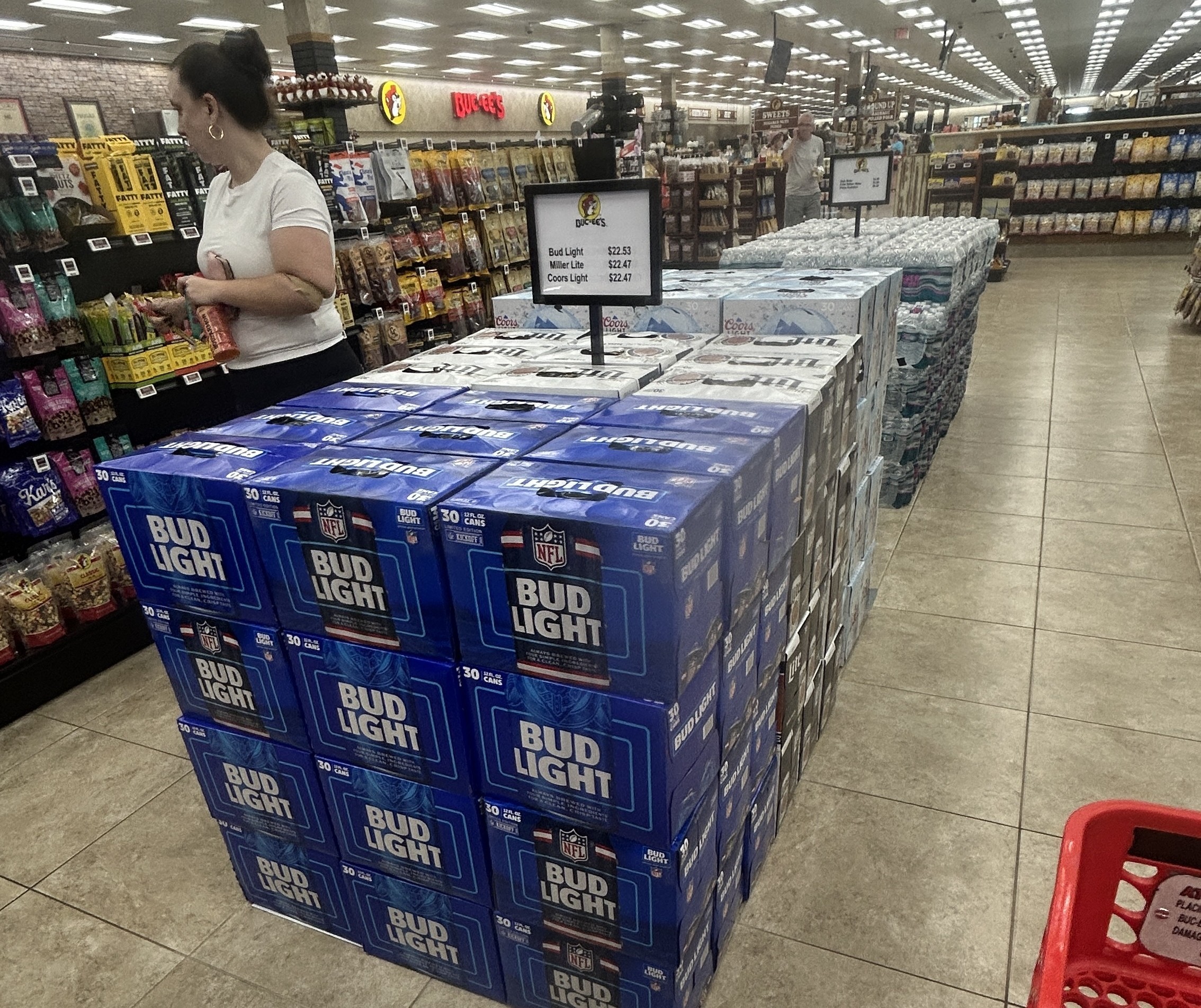
It is important to emphasize that consolidation does not necessarily mean reduced competitiveness. On the contrary, in mature markets such as the United States, scale enables investment in technology, stronger loyalty programs, better supplier negotiations, and a more strategic long term vision. The fuel station ceases to be merely a point of fuel sales and becomes a hub for consumption, services, and relationships.
The milestone of 1,000 Wawa stores is therefore far more than a round number. It represents a retail philosophy based on intelligent scale, well designed experiences, and deep community integration. For Brazil, the lesson is clear: growth is not just about opening more locations, but about building solid, replicable operations aligned with an increasingly demanding consumer who is far less tolerant of inefficiency and improvisation. After all, “the consumer has options, hundreds of them at their fingertips, and will not beg for yours” (The Consumer Is in a Hurry, p. 81).